
Traditional ways to stay cool
Before the advent of modern air conditioning, people in Saudi Arabia employed a variety of traditional methods to cope with the extreme heat, focusing on lifestyle, clothing, and architecture.
Lifestyle and Clothing 🧳
Traditional Saudi life was highly adapted to the climate. People would:
- Avoid the midday heat: Daily routines were structured to avoid the hottest parts of the day. Travel and strenuous activities were often done in the early morning or after sunset, when temperatures dropped. Many people would sleep during the day and be active at night.
- Wear loose, breathable clothing: The traditional garments for both men and women—the thobe (a long, loose robe for men) and the abaya (a similar garment for women)—are not just cultural or religious attire, but highly practical. These garments are typically made of light, breathable fabrics, and their loose fit allows air to circulate between the body and the fabric, creating a natural cooling effect. The head coverings worn by men, such as the ghutra and shemagh, also provide protection from direct sun exposure.
- Stay hydrated: Traditional diets emphasized water-rich foods like watermelon, and people would drink copious amounts of water and other cool beverages to stay hydrated.
Architectural Innovations 🏡
Traditional Saudi architecture was ingeniously designed to combat the heat, with many features that promoted natural cooling.
- Thick Walls and Small Windows: Traditional houses were built with thick walls made of materials like mud, clay, or coral stone. These materials have a high thermal mass, meaning they absorb heat slowly during the day and release it at night. This created a cool, insulated interior during the day and a warm interior at night. The houses also featured small windows to minimize the amount of direct sunlight entering the building.
- Courtyards and Ventilation: Many traditional homes were built around a central courtyard. This open-air space acted as a microclimate regulator. At night, the courtyard would radiate heat into the atmosphere and cool down. The surrounding rooms would then draw in the cool, dense air from the courtyard, providing natural ventilation. This design also helped maintain privacy, as windows typically faced inwards toward the courtyard.
- Mashrabiya and Rawasheen:
In coastal cities like Jeddah, a common feature was the
mashrabiya
or
rawashan, which are ornate, latticed wooden screens that project from the upper floors of a building. These screens served a dual purpose: they provided shade and privacy while also allowing cool sea breezes to enter the building. Sometimes, water jars were placed in them, and as air passed over the wet surface, it would cool through evaporative cooling.
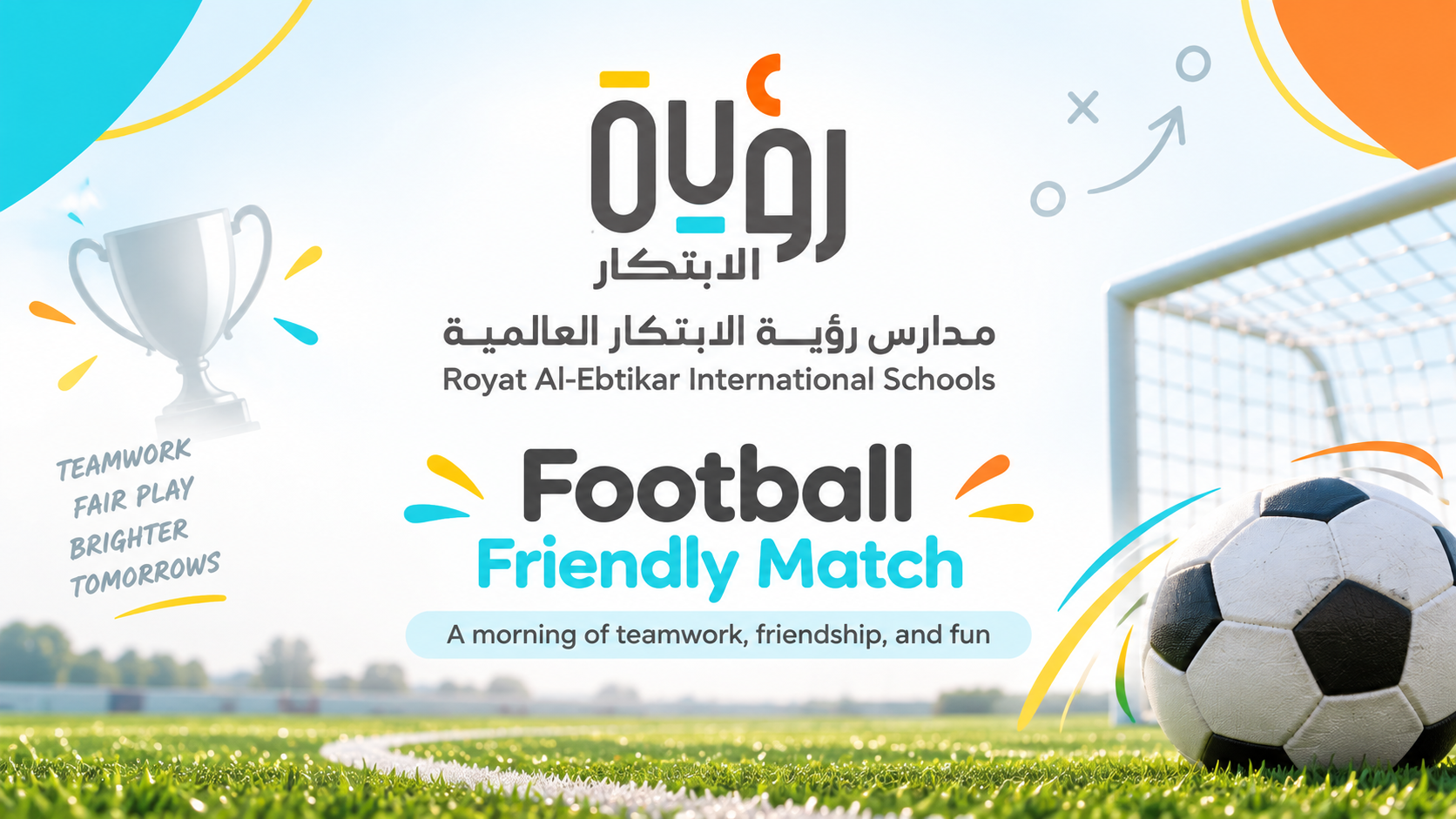
Roya students enjoyed a friendly football match with Dar Al Fikr Schools, building teamwork, confidence, sportsmanship, and respect through sport.

Explore how Roya students discovered space through science, imagination, faith-based learning, and creative activities during Space Week in Primary and Early Years.
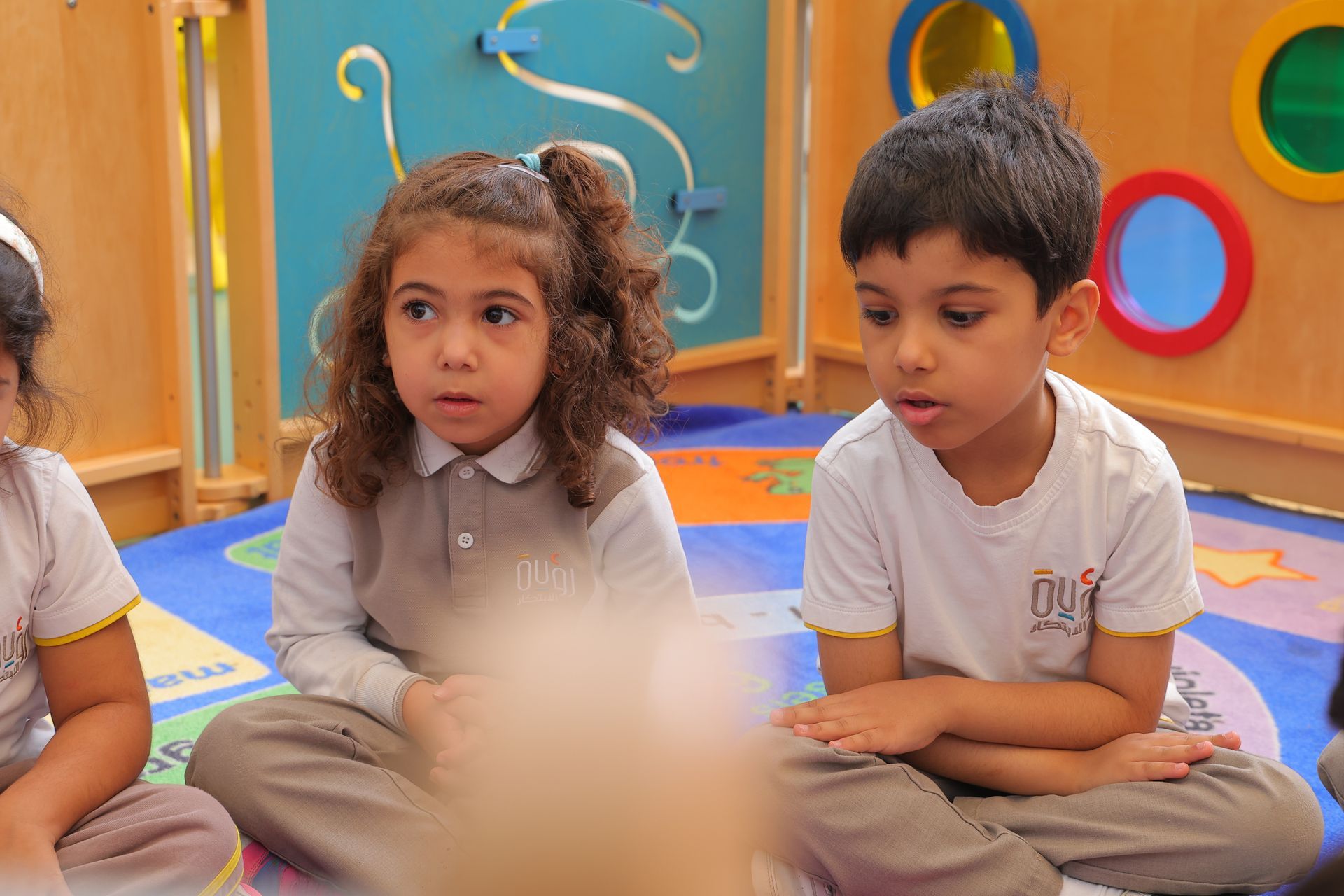
See how Roya students explored tolerance through guided discussions, community connections, and creative mind maps during Tolerance Week activities in November 2025.
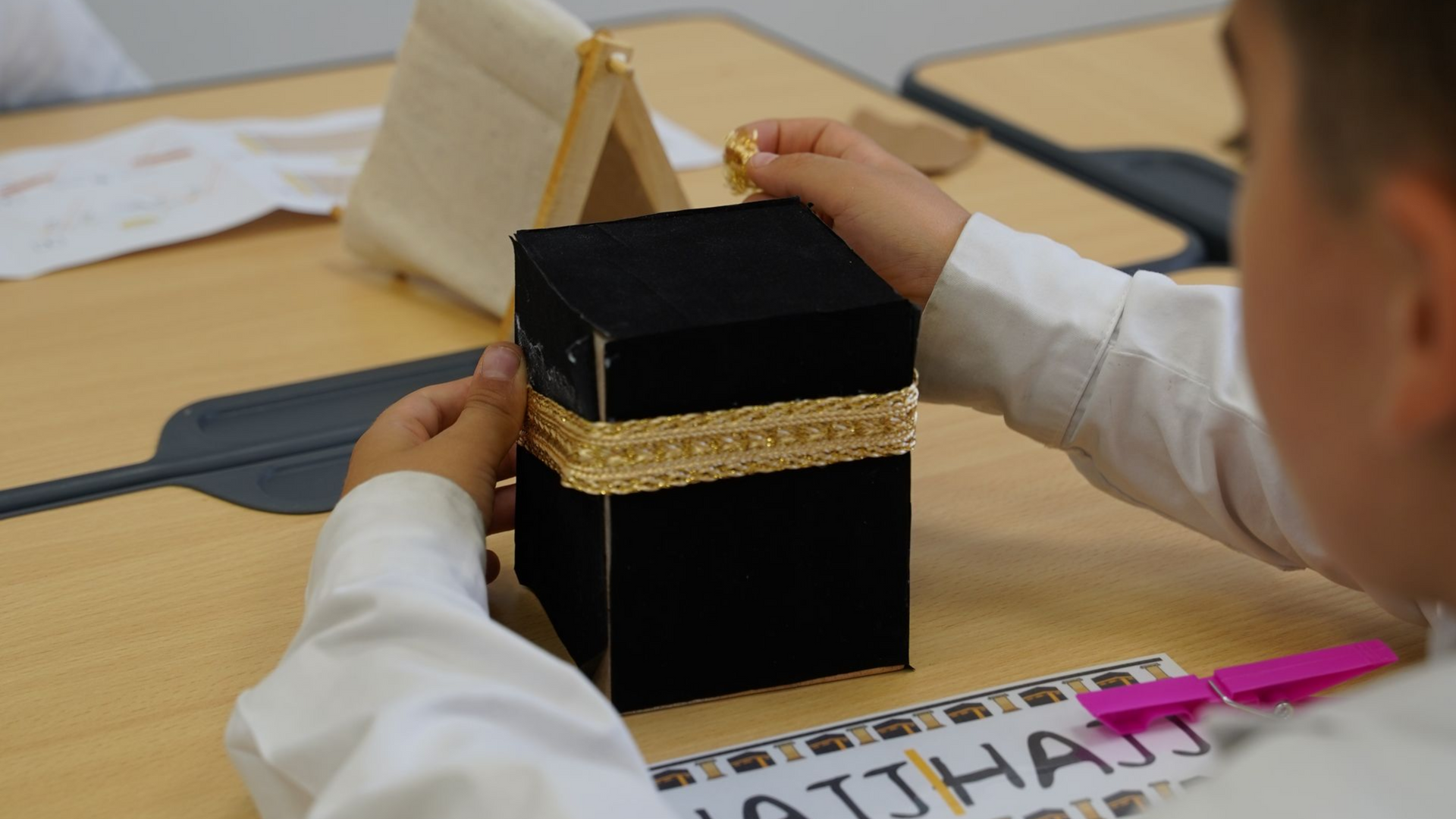
Discover how Roya School in Jeddah brought the Hajj journey to life through interactive learning, robotics, projectors, and hands-on Islamic Studies activities.

See how Roya celebrated the end of the 2025–2026 school year with student performances, certificates, a Year 1 graduation, and memorable family moments.
See how Roya School celebrated Saudi Founding Day with cultural performances, regional activities, traditional food, costumes, and student presentations.

Roya School celebrated Arabic Language Day 2025, bringing students together for Qur’an recitation, poetry, theatre, cultural competitions, and engaging activities.
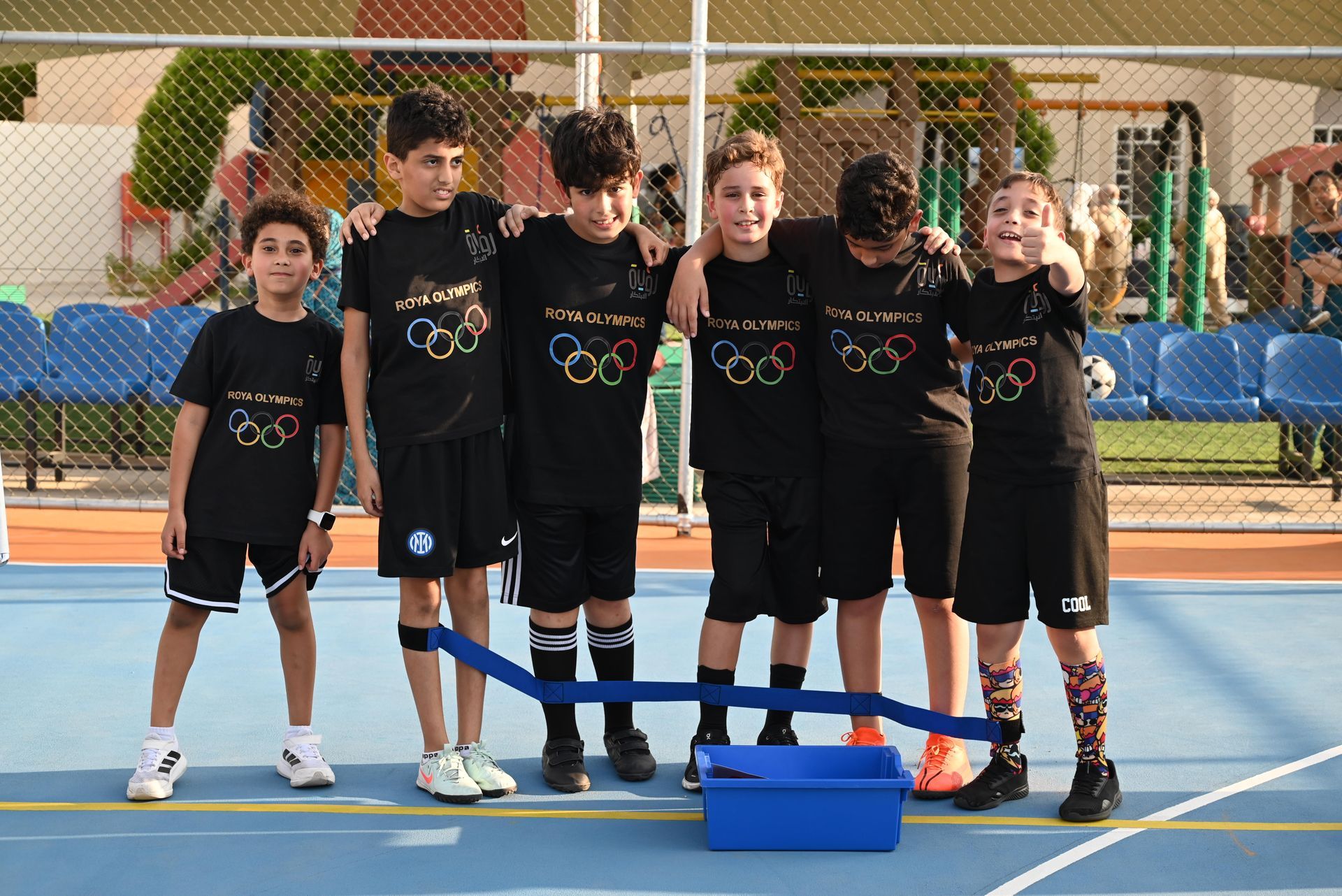
Royat Al-Ebtikar International School celebrated Olympic Day 2026 with sports, teamwork, family activities and special guest Fabinho.
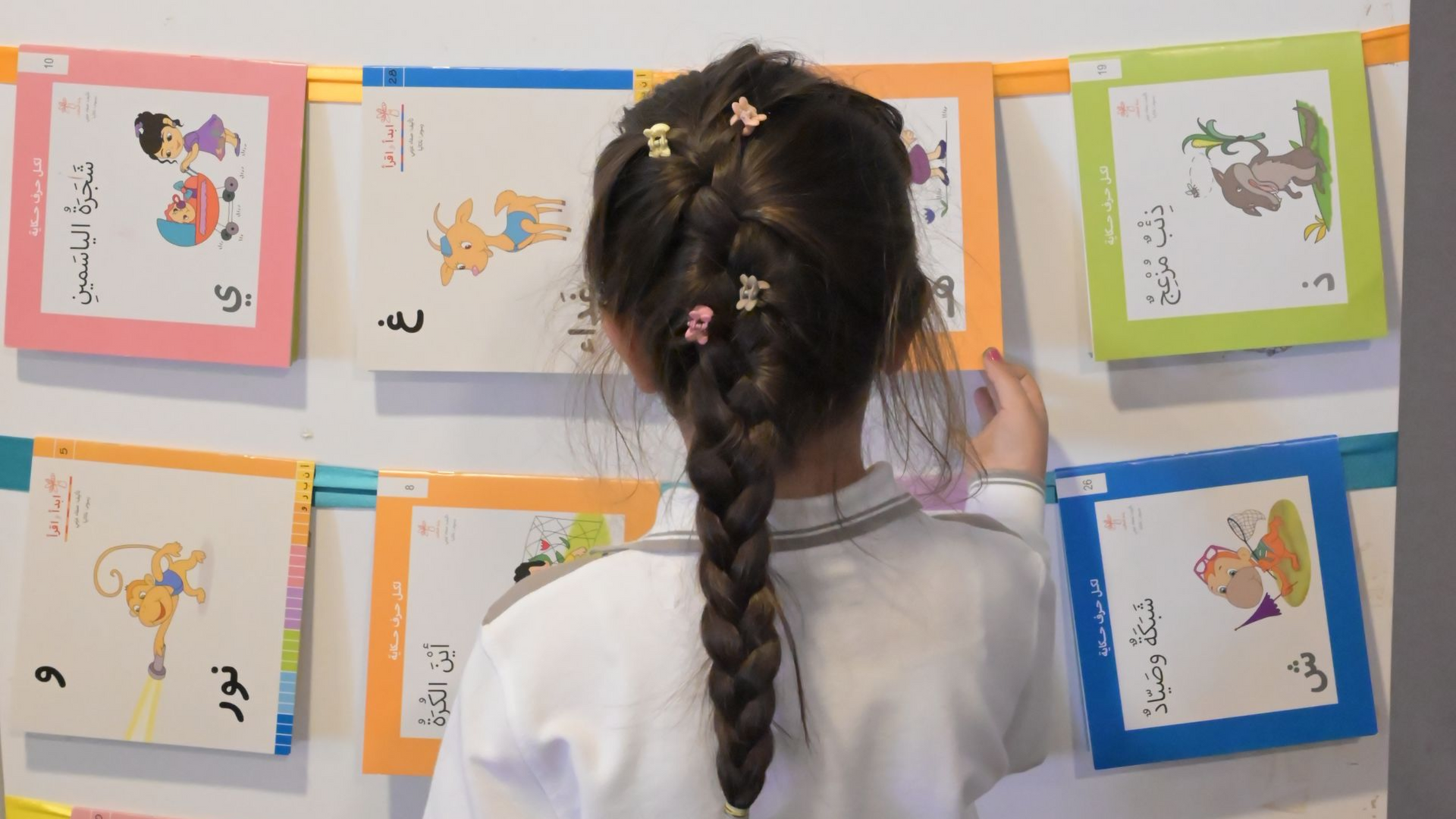
Royat Al-Ebtikar International School held an Arabic Spelling Bee for Year 2 to Year 5 students, celebrating spelling, phonics, confidence, and learning.
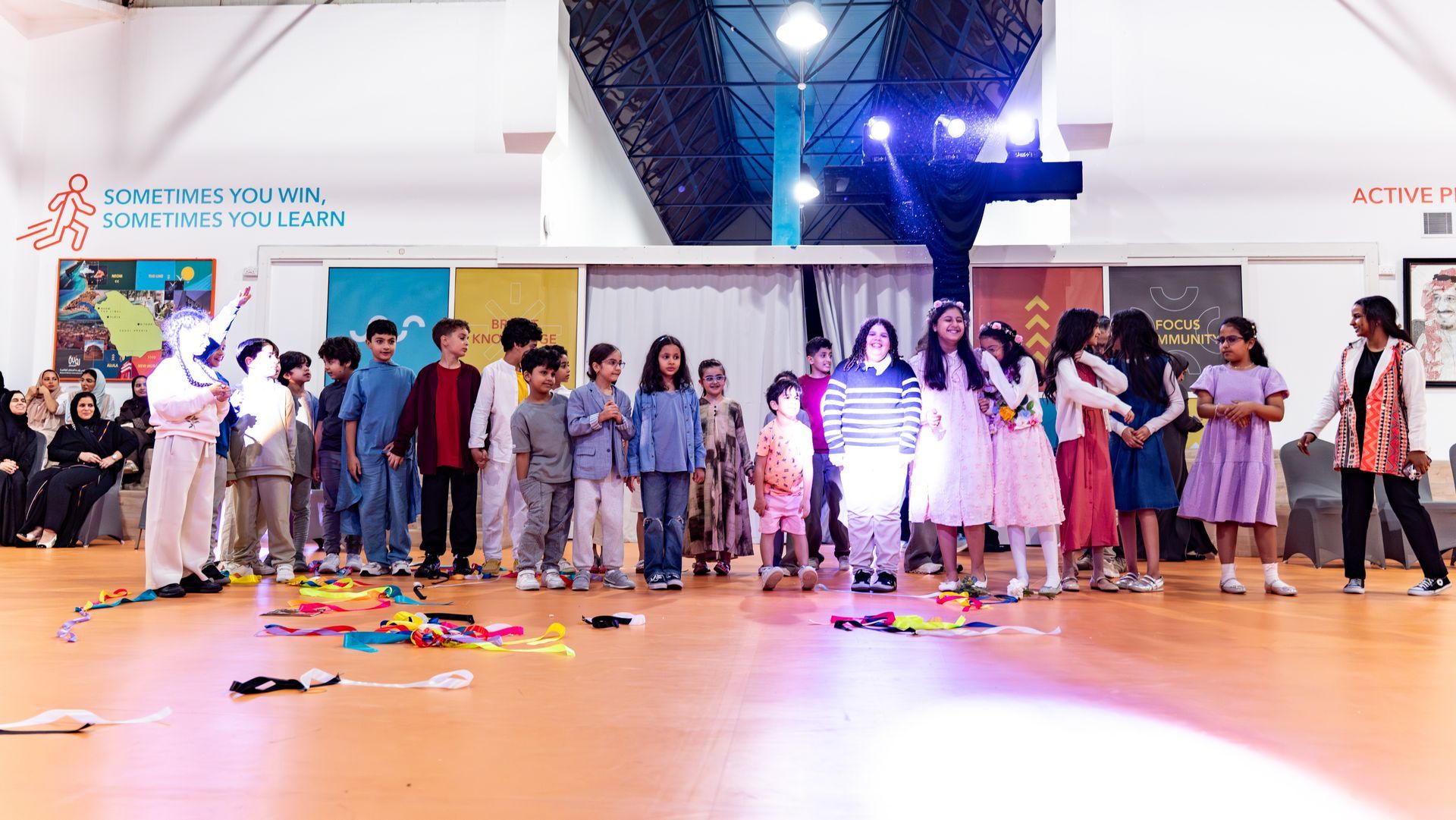
Students at Royat Al-Ebtikar International School showcased their acting talents in a vibrant Drama Club performance in Jeddah.