
Tips to help kids try new foods without pressure as parents
When children in primary school experiment with new or unusual foods — foods they have not previously eaten — they gain more than just a taste for something different. Such exposure helps broaden their dietary variety, which can lead to better nutrition and lifelong healthy eating habits. Research shows that children who cling to a narrow range of familiar foods often miss out on nutrients found in fruits, vegetables and other food groups.
[PubMed]
Beyond nutrition, trying new foods supports openness, curiosity and flexibility. Children learn that unfamiliar does not automatically mean unpleasant — an attitude that can transfer to other areas: new experiences, cultures and ideas. When mealtime becomes a moment of exploration rather than routine, it becomes part of a broader developmental journey.
Importantly, early childhood and primary school years are formative when food preferences and eating habits are established for life.
[Frontiers] That means encouraging children to taste a variety of foods — even those outside their comfort zone — can help set the stage for balanced diets and healthier choices in adolescence and adulthood.
Overcoming food neophobia: Why some children resist new foods
A major barrier to variety is a phenomenon called Food Neophobia — the reluctance or fear of trying unfamiliar foods. Among many children, this is a normal stage. Studies indicate that kids with high food neophobia often have limited diets, consuming fewer vegetables, fruit, or protein-rich foods than their less selective peers. [SpringerLink]
This restricted diet may lead to insufficient intake of important micronutrients and less balanced overall nutrition. [MDPI] Worryingly, food neophobia in childhood can influence lifelong dietary patterns — a narrow diet may persist unless interventions are made early. [MDPI]
Therefore, helping children overcome hesitation about novel foods is more than a simple challenge — it’s an investment in their long-term health, growth, and dietary wellbeing.
How trying unusual foods can benefit primary-school children
- Broader nutritional intake & better health
When children venture beyond familiar foods, they open themselves to a wider array of nutrients — more vitamins, minerals, fibers and antioxidants. Diverse diets including fruit, vegetables, lean proteins and whole grains support healthy growth, immune system development, cognitive performance and energy.
By contrast, a restricted diet rich only in familiar comfort foods may lack essential micronutrients. Studies show neophobic children often fail to meet recommended levels of vitamins (e.g. vitamin E) and other nutrients.
[PubMed]
Thus, introducing unusual foods — especially healthy ones — can help ensure that children receive the varied nutrition they need during important developmental stages.
- More openness and reduced selective eating over time
Repeated exposure to new foods can gradually reduce aversion and neophobia. Evidence suggests that children who experienced a wider variety of tastes early in life — including novel vegetables — were more willing as they grew older to taste and accept new foods. [Frontiers]
Moreover, structured “taste-education” programmes have successfully lowered food neophobia in schoolchildren, increasing their willingness to try novel foods. [PMC]
Therefore, encouraging unusual or novel foods in primary school can foster a lifelong willingness to explore new tastes, textures, and cuisines rather than remaining stuck in rigid dietary patterns.
- Development of curiosity, sensory awareness, and mindful eating
When children try unusual foods, they engage more of their senses — taste, smell, texture, even sight. This sensory education can make them more aware of what they eat and more curious about different flavours and cuisines. [MDPI]
Such exploration encourages mindful eating, where children learn to appreciate food as an experience, not just a meal. It can also broaden cultural awareness: novel cuisines often come from different cultures, helping children develop respect and curiosity for global traditions.
- Better social and educational outcomes
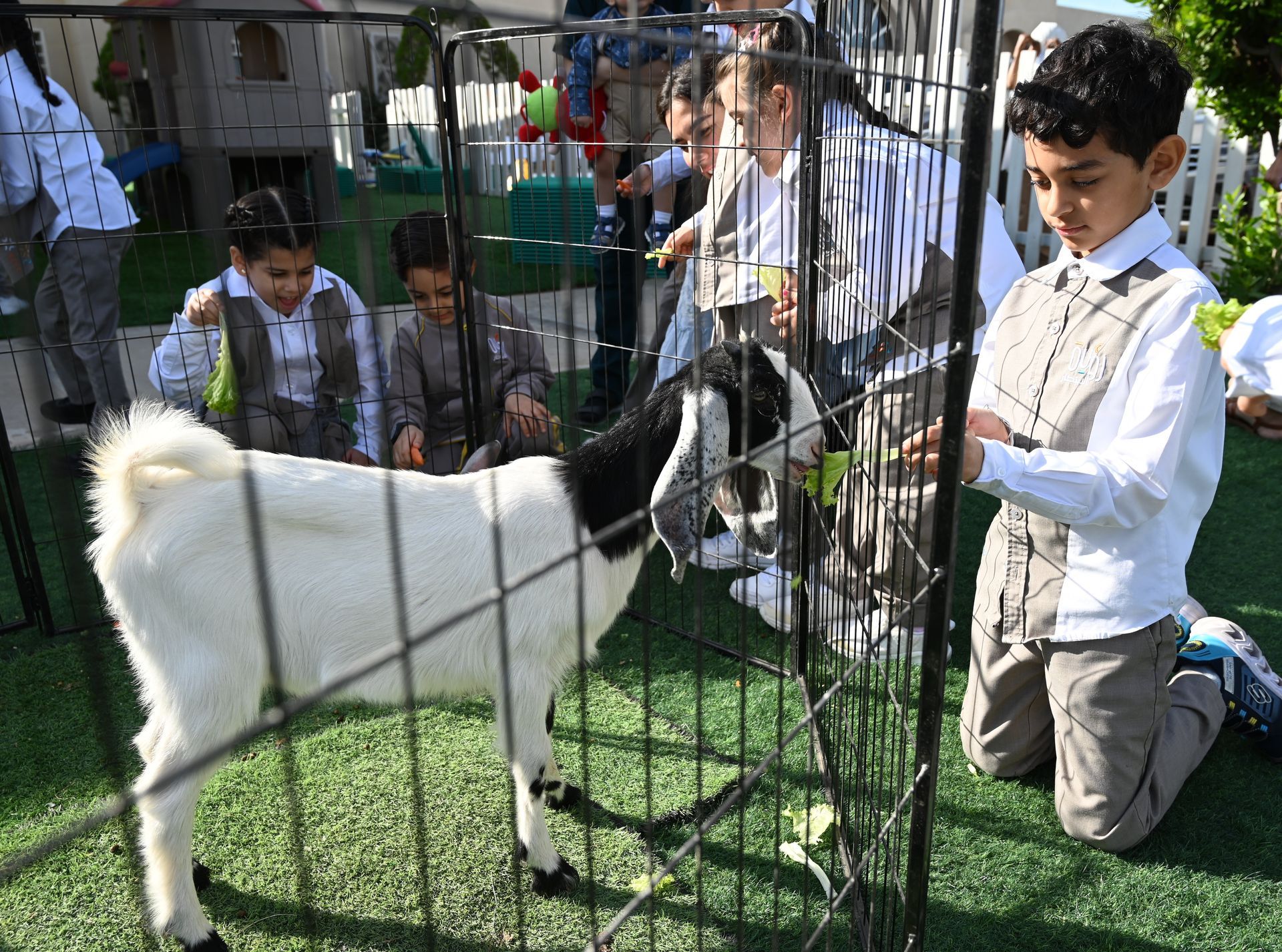
Primary-school settings — whether during lunch, snack time or cooking activities — provide natural opportunities for group eating and shared discovery. When children see peers or teachers trying and enjoying new foods, they are more likely to be curious themselves. Social modelling has been shown to increase acceptance of novel foods in children. [PubMed]
Schools that incorporate novel-food experiences into their curriculum or cafeteria offerings contribute to balanced nutrition and build positive food relationships. Such interventions support overall wellbeing, social cohesion, and healthy habits beyond the home environment.
- Laying the foundation for lifelong healthy habits
Because food preferences established in childhood tend to carry into adulthood, broadening children’s diets while they are young is a proactive step toward lifelong health. [Frontiers]
Children who regularly engage with varied foods — including unfamiliar ones — are less likely to become “picky eaters” later. Instead, they are more likely to enjoy a diverse, balanced diet as adults, reducing the risk of chronic disease tied to nutrient deficiencies or poor eating habits.
Practical strategies to encourage young children to try unusual foods
- Involve children in shopping and cooking
Allowing children to participate in food shopping or meal preparation helps them feel ownership and curiosity about what they eat. A study found that children involved in purchasing ingredients for unfamiliar dishes were more willing to taste those dishes. [PubMed]
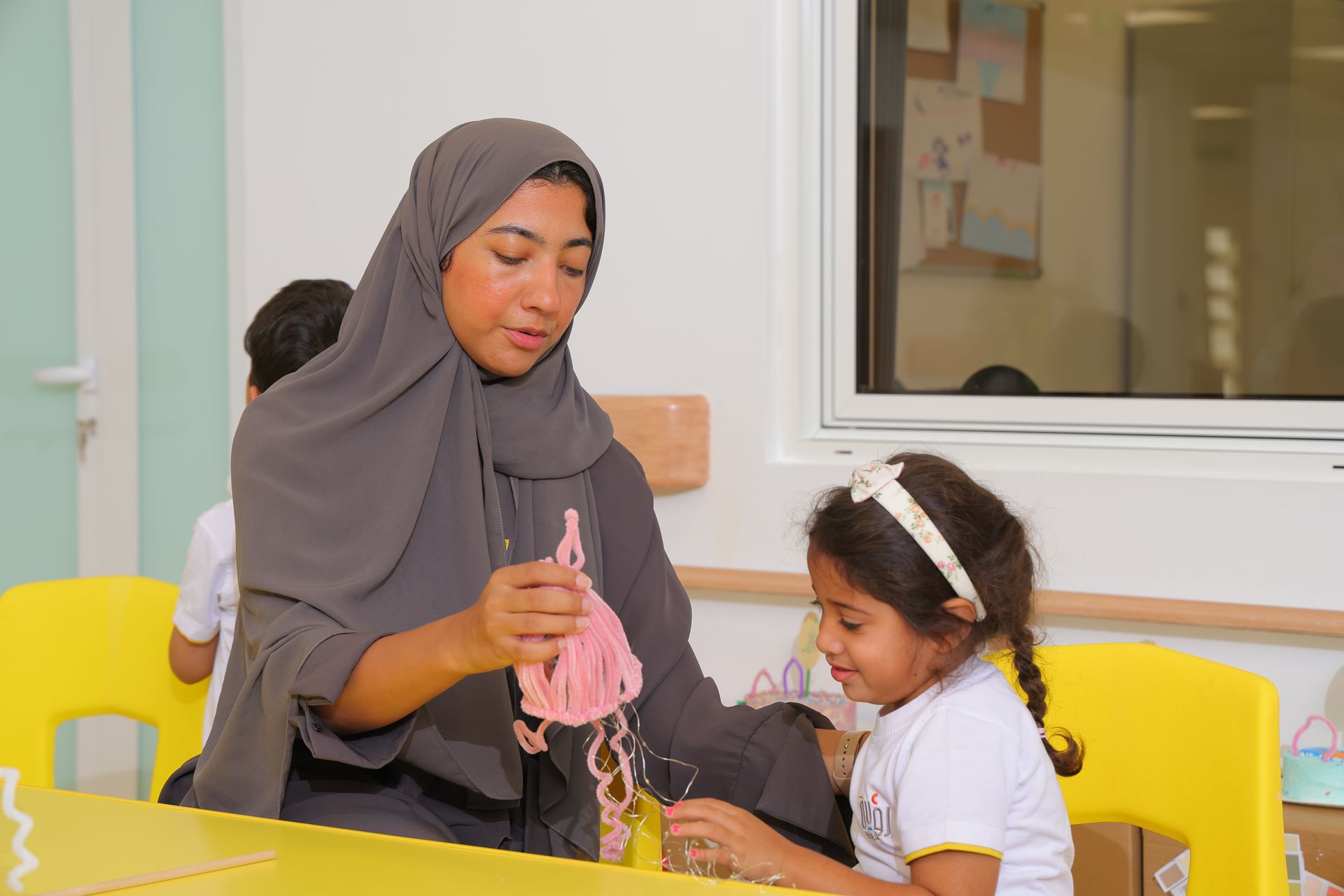
Let children choose some ingredients — perhaps from an unfamiliar cuisine — and help prepare simple dishes together. This hands-on involvement makes the process fun and less intimidating.
- Use repeated exposure and gentle encouragement rather than pressure
New foods may need to be offered many times before a child accepts them. Pressuring, scolding or forceful encouragement tends to backfire, increasing resistance and anxiety. Instead, offer small portions, mix with familiar favourites, and wait — calmly and persistently. [PMC]
Make mealtimes relaxed, fun, and pressure-free. Over time, repeated exposure often leads to acceptance.
- Use sensory-based “taste education”
Schools or families can organise simple “taste sessions” where children explore different foods via smell, texture, and visual appeal before tasting. This helps demystify unfamiliar foods and builds confidence. Research shows such sensory education reduces food neophobia in schoolchildren. [MDPI]
Encouraging multi-sensory exploration — smelling a spice, touching a vegetable, seeing its colour — makes first tastes less daunting.
- Social modelling: peer and family meals
Children are more likely to try a food when they see peers, siblings or adults eating the same — a concept known as positive social modelling. Studies show that children were more willing to eat a novel food if someone else they could see ate it at the same time. [PubMed]
Family meals, shared lunches, or school-based communal eating provide excellent occasions for this. Eat together, explore new dishes, and celebrate curiosity.
- Introduce small amounts of unfamiliar foods within familiar dishes
One effective way is to combine novel ingredients with familiar ones — for example, mixing a new vegetable into a beloved pasta dish, or blending a less-familiar fruit into a smoothie. This blending lowers the “strangeness barrier” and helps gradual acceptance. This approach aligns with findings that a mix of familiar and novel tastes encourages acceptance over time.
[Frontiers]
Addressing challenges and obstacles
Of course, trying new foods is not always easy for children (or parents). Some food neophobia is natural — a protective evolutionary instinct, even. [SpringerLink]
Also, peer pressure, family habits, cultural norms or limited access to diverse foods can make it harder. If peers or adults around a child rarely experiment with new foods, the child may lack exposure or motivation to try them. [MDPI]
Moreover, repeated exposure requires patience and consistency — it might take many attempts before acceptance. But evidence suggests that persistence — rather than pressure — is key. [PMC]
Finally, ensuring nutritional balance remains essential: while experimenting with unusual foods, caregivers should aim to include healthy, nutrient-rich options rather than just novel junk or processed foods.
The role of schools — why primary schools should embrace food variety
Primary schools occupy a pivotal place for encouraging adventurous eating. A well-designed nutritional and sensory education programme can normalize trying new, healthy foods. School-based interventions have been recommended precisely because they reach many children at formative ages. [SpringerLink]
By integrating varied foods into school meals, organizing cooking or “taste-exploration” sessions, and involving children in food choices, schools help children develop curiosity and positive eating habits early on. Peer influence becomes a powerful ally when classmates sit together exploring new dishes.
Moreover, schools can send a strong signal: that healthy eating is an adventurous, social, and enjoyable activity — not a chore. This may shift community attitudes toward food diversity over time.
Long-term benefits: health, curiosity, and lifelong food confidence
Encouraging children to try unusual foods may seem like a small step, but its ripple effects can last for life. Over time, those children are more likely to enjoy a wide variety of healthy foods, maintain balanced diets, and avoid nutritional deficiencies.
They also become more adaptable, open-minded eaters with confidence to explore cuisines and cultures. That curiosity extends beyond food — fostering flexibility, openness, and resilience more broadly.
As children grow into adults, these habits decrease risks of chronic disease, support mental health and well-being, and contribute to a richer, more adventurous relationship with food.
In short: what starts as a small experiment at a primary-school lunch table or at home can become a foundation for health, curiosity and lifelong enjoyment.