
The Pros and Cons of Participation Trophies
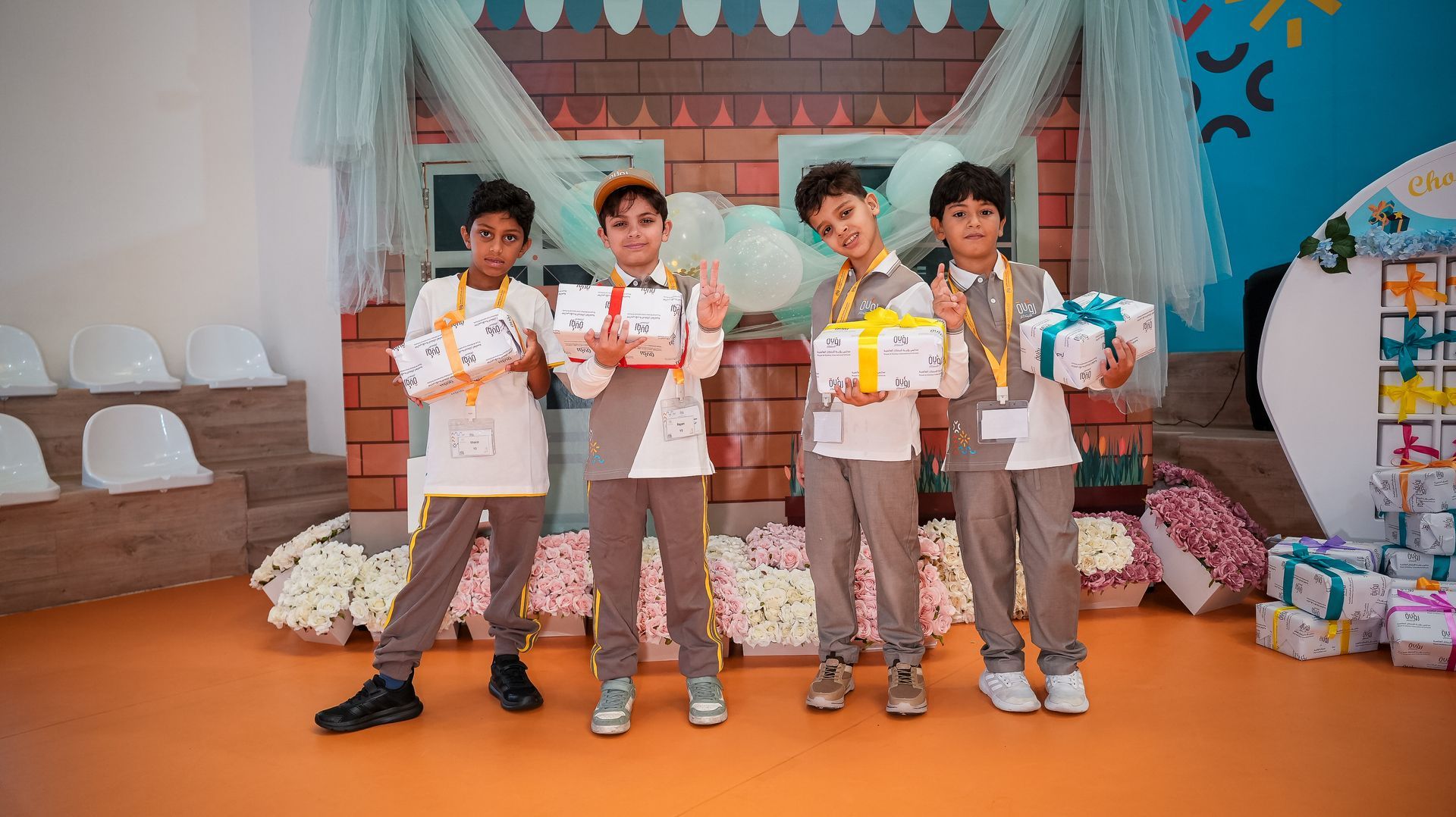
Whether a child should get a prize just for showing up is a question that parents, coaches, and teachers are constantly wrestling with. On one side, participation awards are seen as a lovely way to be inclusive and build a child’s confidence. On the other, critics argue they can undermine hard work and create a sense of entitlement. To help you decide, here’s a breakdown of the pros and cons, backed by research.
✅ The Pros of Participation Awards
- They Can Build Confidence and Make Activities Fun
For very young children who are just starting out, a participation award can be a great
motivator. Psychologist and parenting coach Emily Pagone explains that for toddlers and preschoolers, who don’t yet understand adult expectations of winning, a medal acts as a form of
positive reinforcement. It helps highlight the skills they
did
demonstrate and reinforces the good sportsmanship shown by everyone involved. She notes that when caregivers acknowledge a child’s abilities, it gives them a compass for understanding the situation, which can genuinely build their self‑confidence.
- They Celebrate Effort and Encourage Perseverance
Not every child is a star player, but that doesn’t mean they aren’t trying hard. Participation awards can send a powerful message that
showing up and giving your best effort is something to be proud of. Dr Shawna Campbell, a psychology professor at Bond University, argues that the research points to long‑term benefits when participation is celebrated. She says, "The data does suggest that praising children and giving them encouragement for
perseverance versus achievement is better for not just their long‑term mental health, but it actually motivates them to persevere and to try".
- They Boost Motivation to Keep Trying
When a child receives a small prize for taking part, they often
feel valued and are more likely to return for another season. Tom Farrey, Executive Director of The Sports and Society Program at the Aspen Institute, notes that participation trophies can remind young kids that they are part of something, which helps
build enthusiasm to keep going. For children who are shy or lack confidence, that simple recognition can be the difference between giving up and having another go.
❌ The Cons of Participation Awards
- They Can Undermine Intrinsic Motivation
This is the most well‑known argument against participation rewards. The concept is based on
Self‑Determination Theory, developed by psychologists Edward Deci and Richard Ryan. Their 40 years of research found that external rewards can actually
reduce a child’s natural, internal desire to do an activity for the sheer joy of it. This is sometimes called the “overjustification effect.” A 2014 US study of children in Years 3 to 5 showed that students who were intrinsically motivated performed better academically than their peers who were extrinsically motivated (i.e., by rewards). When children learn to expect an award for everything they do, the activity itself stops being fun.
- They May Send the Wrong Message About Effort and Achievement
A major concern is that giving everyone a trophy teaches children that
just showing up is enough. Dr Ragnar Purje, an Australian education expert, believes that modern practices like handing out participation certificates
undermine a child’s natural development of commitment, persistence, and resilience. He argues that instead of building resilience, educators are contributing to entitlement behaviours that can affect a child’s expectations in the classroom and later in the workforce. Research has also shown that after receiving a “retrospective” award (a surprise reward for something they already did), children actually missed
8% more school days in the following month. The study’s authors concluded that the
awards were sending unintended, demotivating signals.
- They Can Create a Feedback Loop of External Validation
When children get used to seeking approval through awards, they may start to lose the ability to find self‑worth in their own efforts. This creates a cycle where they only work hard if a prize is on offer. Many experts suggest that schools and parents should shift their focus away from rewarding mere participation and instead celebrate
dedicated effort and real progress to help children develop genuine grit.
⚖️ Finding the Right Balance: What the Research Says
So, what should you do? Most experts agree that age is the most important factor.
- For Very Young Children (Preschool to Year 1/2: Participation awards can be a gentle, effective way to encourage involvement and build initial confidence.
- For Older Children (Year 3 and Up): Psychologist Emily Pagone, along with many other experts, recommends transitioning away from participation awards. By this age, children are ready to learn about winning and losing and to understand that not everyone gets a prize. The focus should shift to celebrating specific achievements and effort, rather than just showing up.
📝 Conclusion
Participation awards aren’t inherently good or bad – it’s all about how and when you use them. For a five‑year‑old taking their first wobbly steps on a football pitch, a medal can be a wonderful confidence‑booster. For a ten‑year‑old, the same prize might send the wrong message about hard work and competition. The real world doesn’t hand out medals for just turning up. By using rewards thoughtfully – to encourage perseverance without replacing the natural joy of learning – you can help your child grow into a resilient, motivated, and kind‑hearted individual.
For more information on this topic, you can visit the following articles:
- Participation Trophies: Overview | Sports and Leisure | Research Starters
- Does everyone deserve a ribbon? | Bond University | Gold Coast, Queensland, Australia
- Thumbs down for ‘gold stars’ for just showing up - CQUniversity
- Are participation trophies good for kids?
- The demotivating effect (and unintended message) of awards - ScienceDirect
- A PLAYBOOK TO GET EVERY KID IN THE GAME